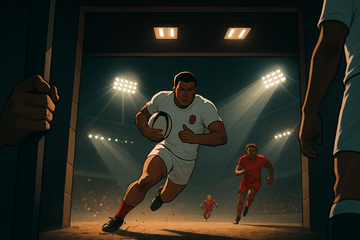
The upcoming clash between the Wallabies and Springboks in Perth this Sunday is more than just a game; it highlights the broader shifts in the rugby landscape. Meanwhile, New Zealand Rugby faces its own daunting challenges, grappling with financial difficulties and strategic missteps. As the world of rugby grows more interconnected, the insular tactics once beneficial to New Zealand Rugby are proving to be its undoing.
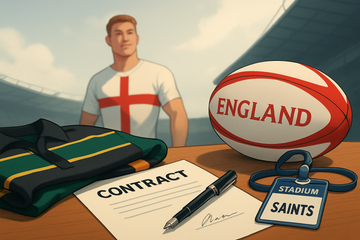
Financial sustainability is a looming question for New Zealand Rugby as it contemplates a potential exit from the Super Rugby Pacific. The allure of lucrative overseas contracts is increasingly tempting for its home-grown talent, signalling a possible strategic pivot to allow high earners to move abroad. This would ensure the continuous flow of talent necessary to keep New Zealand competitive in the world arena.
The financial crunch is exacerbated by competition from other codes, notably the NRL, which has recently secured a massive $5 billion deal. This has put additional pressure on rugby unions in both New Zealand and Australia to secure top talent early and offer more competitive packages.
Switching focus to the imminent Test, Rassie Erasmus, the Springboks' coach, seems to have gambled by making 13 changes to his starting lineup. This strategy, while risky, could potentially backfire against a determined Wallaby side looking to capitalize on any signs of weakness.
"It's the perfect time to give new players a chance and build depth in our squad," Erasmus noted, defending his selection strategy.
Amidst individual team strategies, players like Zac Lomax are caught in position experiments that may not serve their international ambitions. Lomax, utilized at outside centre, might need reconsideration to maximize his effectiveness, better aligning with his natural strengths observed in wing play during the regular season.
Emerging talents are also making a case for themselves. Max Burey, for instance, has been sensational for the Waratahs, showcasing formidable kicking skills that outshone his counterparts in recent matches. His performance could be pivotal as he vies for a spot on the upcoming Australia A tour of the USA.
The veteran Kurtley Beale, despite nearing his late thirties, continues to prove his worth, steering his team with adept game management and reliable kicking. His performance is a testament to his enduring skill and fitness, keeping him relevant in the competitive rugby landscape.
"I've always believed in my ability to perform at the highest level," Beale shared, reflecting on his recent form.
As rugby union in Australia and New Zealand navigates these turbulent times, the strength and depth of the sport will be tested. But with challenges come opportunities—for players to shine, for strategies to evolve, and for rugby to continue captivating fans around the globe.